
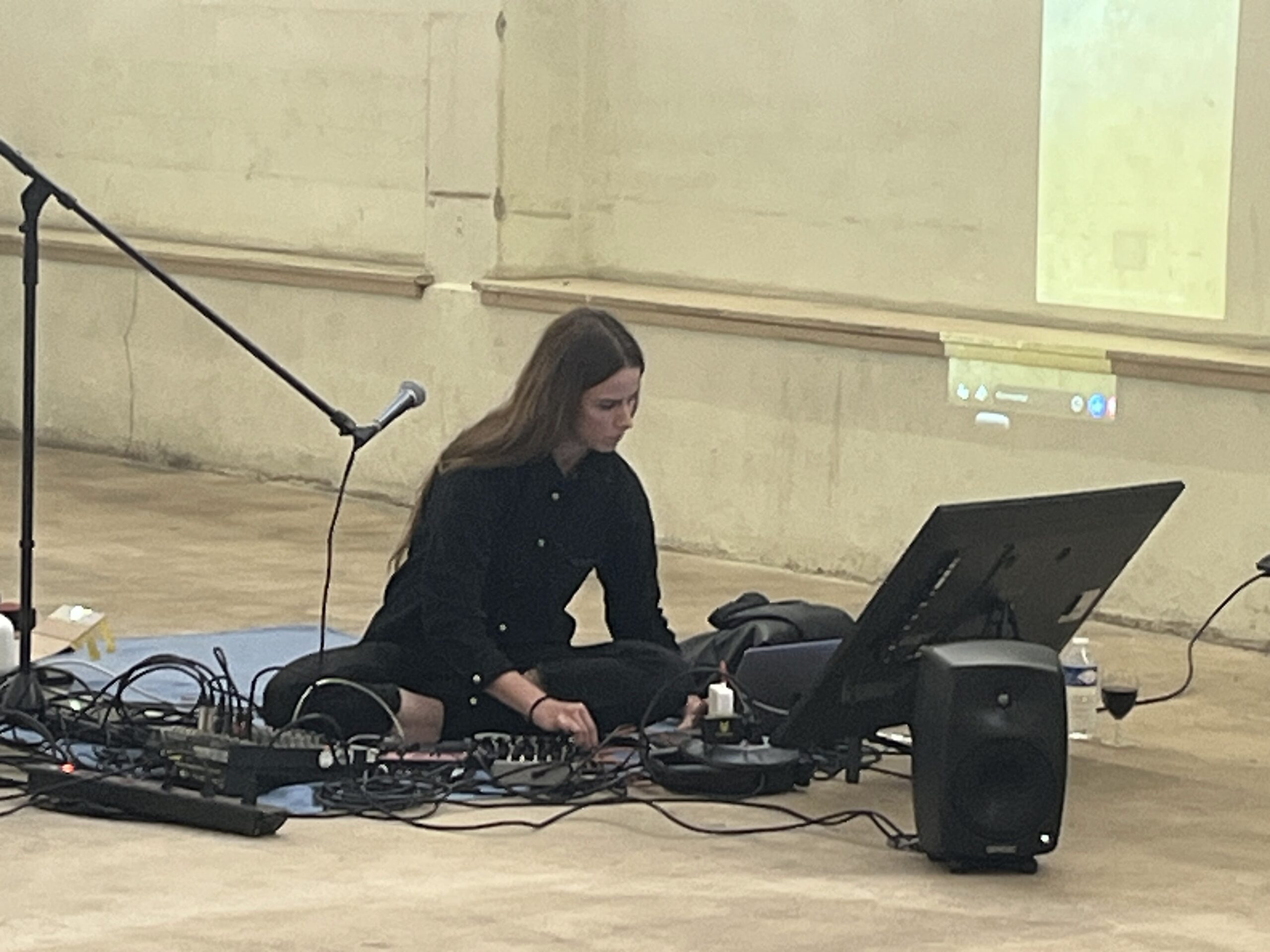
Raised in Munich within a mix of cultures influences and constant music, Katherine Newton composes with space, sound, and image as one language. In this interview, she reflects on music as her first home, the influence of grief and pregnancy, and how listening to cities, from Basel’s sewers to the streets of Oaxaca, shapes her interdisciplinary art.
I am happy to share this conversation as part of the interviews series Let’s Speak Up! that I have developed for my artistic and research residency in Switzerland with the support of Pro Helvetia Southamerica. First, we initially planned via Zoom but ultimately conducted through WhatsApp. With the patience of exchanging voice messages back and forth, I hope I was able to grasp the subconscious approach of Katherine’s art through sound and space.
“Sound for me is also completely visual, like I don’t even compose in a way that doesn’t have a visual aspect to it”
Katherine Newton
Interview with Katherine Newton
Ileana Ramírez
Hello, Katherine. Just for the record, we are here doing this together. I’d like you to introduce yourself and start by talking about your background—where you’re from, a little about your childhood, and how you grew into becoming an artist and musician, and all the incredible things that you do.
Katherine Newton
Thank you so much. First of all, I’m Katherine Newton. I grew up in Munich, Germany, with British parents, in what I would describe as a kind of bubble within the Bavarian landscape, surrounded by many different nationalities.
From a very early age, I was exposed to a lot of music and art. There was always music around me. My family struggled financially, and I grew up in social housing at different stages of my life, where many languages were spoken. This had a strong influence on me—on how I listen and observe. When you don’t fully understand the language around you, you tend to focus more on other aspects. For me, that meant paying attention to gestures, expressions, and the way people move. That became an important influence on my perception.
I later studied interior architecture and completed my master’s degree in Switzerland. Moving there was initially by chance, just for my studies, but I soon realized it gave me a strong foundation. Over time, I started moving more towards experimental projects and gradually distanced myself from traditional academic approaches. I realized that I am, fundamentally, an artist, and that I wanted to work more deeply within that field.
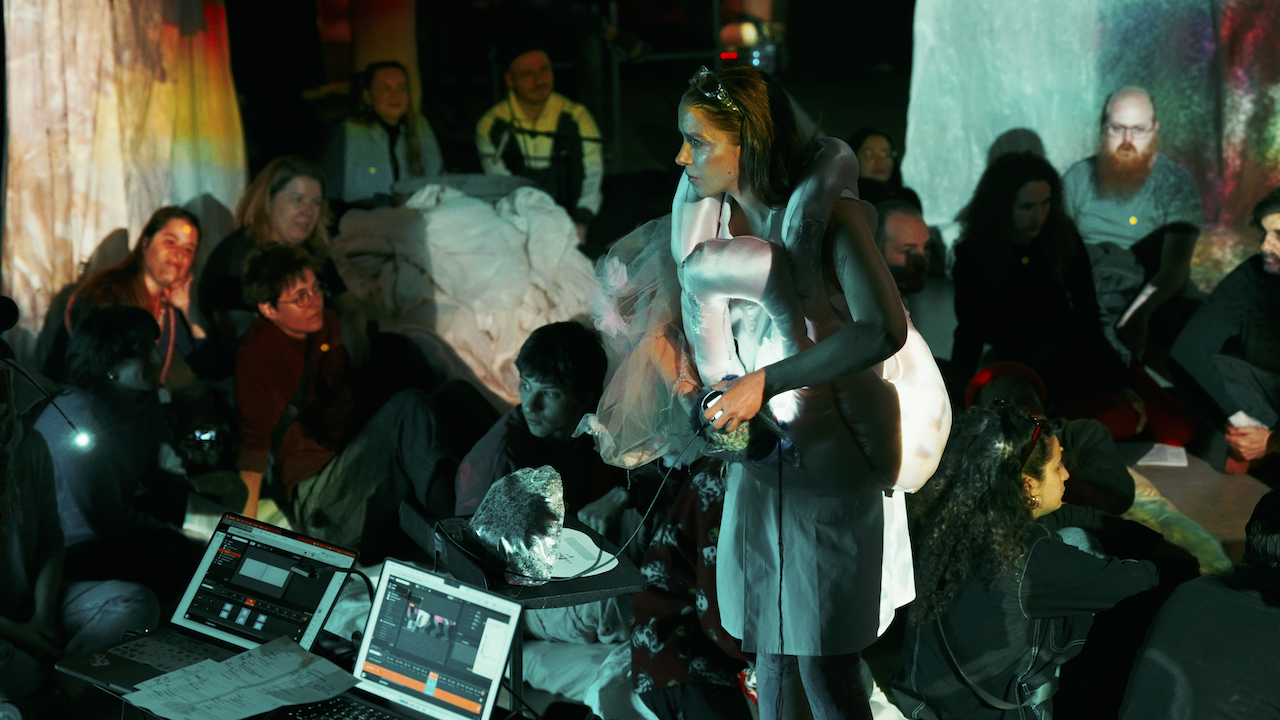
What I do today combines multiple disciplines. For me, they are deeply interconnected, you can’t really separate them. Sound, for example, is completely visual to me. I never compose without thinking about spatial, visual, or physical elements, objects, gestures, light, or movement through space.
I consider myself a mixed-media or interdisciplinary artist. I’m always drawn to learning new things and working with materials or media I don’t yet know. I usually begin with a topic I want to explore, and then I choose the medium that best allows me to get closer to its truth. That’s my process.
IR
I’ll turn off my camera to avoid technical issues, but I’m here, listening carefully.
KN
It would be funny if you weren’t.
IR
No, I’m here. Relating to what you said, were your parents, or people close to you, musicians? Did they influence this proximity you have to sound and music?
KN
My father is a musician.
IR
Okay, let’s take it from there. How did your relationship with music begin? Was it influenced by your father? Did you have formal training?
KN
Music has always felt like home to me. It was very present in our family life. We all played instruments, largely influenced by my father, who is a musician and part of several bands. I grew up being part of that environment.
Even as a child, I was involved in recordings—for example, in a children’s choir, so my voice was recorded from a very young age. I sang harmonies and participated in a very organic musical context. I played the guitar as well, but it was never academic. It was more like informal gatherings—similar to Irish sessions, where people come together, play music, and share emotions.
That’s how music has existed for me, not just as something I do, but as something I live. And when I say “music,” I mean something broader: my entire sonic environment. The sounds that surround me, and how I move within them, are all interconnected.
During my studies in interior architecture, many of my projects were related to sound and space. For example, I created a spatial visualization of the Beatles’ Let It Be, translating its frequencies into an architectural environment. I also built a large sculpture that functioned like a flute, activated by wind. Sound has always been central to my work.
I don’t have formal musical training, but my studies helped me develop technical tools—software, animation, video, and graphic work, that I use in my practice. I’ve mostly educated myself in these areas. I believe my ear was trained very early on, and that has guided me ever since.
For me, composition goes beyond music, you can compose a space, an image, even how you dress. It’s about structuring elements in relation to each other. That’s how I approach both music and art.
IR
Listening to you talk about composition is very interesting. It shows how differently people perceive the world. Sometimes we assume others see things the same way we do.
How do you perceive your environment? Do you feel you notice things that others might not? I remember when we first spoke—you were at a residency in Germany, carrying an antenna you had found, not yet knowing what to do with it. I was struck by how you relate to objects and space, and for example, your underwater installation.
Could you expand on this broader idea of composition—how you bring together image, sound, objects, and space, and transform them into art?
KN
For me, it’s like a dialogue. I’m in constant communication with my environment, reacting to different circumstances. That dialogue, in itself, becomes a kind of composition.
I don’t always define myself directly within the field of art. Rather, as I explore different subjects, they naturally find their place within it. I tend to go deeply into what interests me.
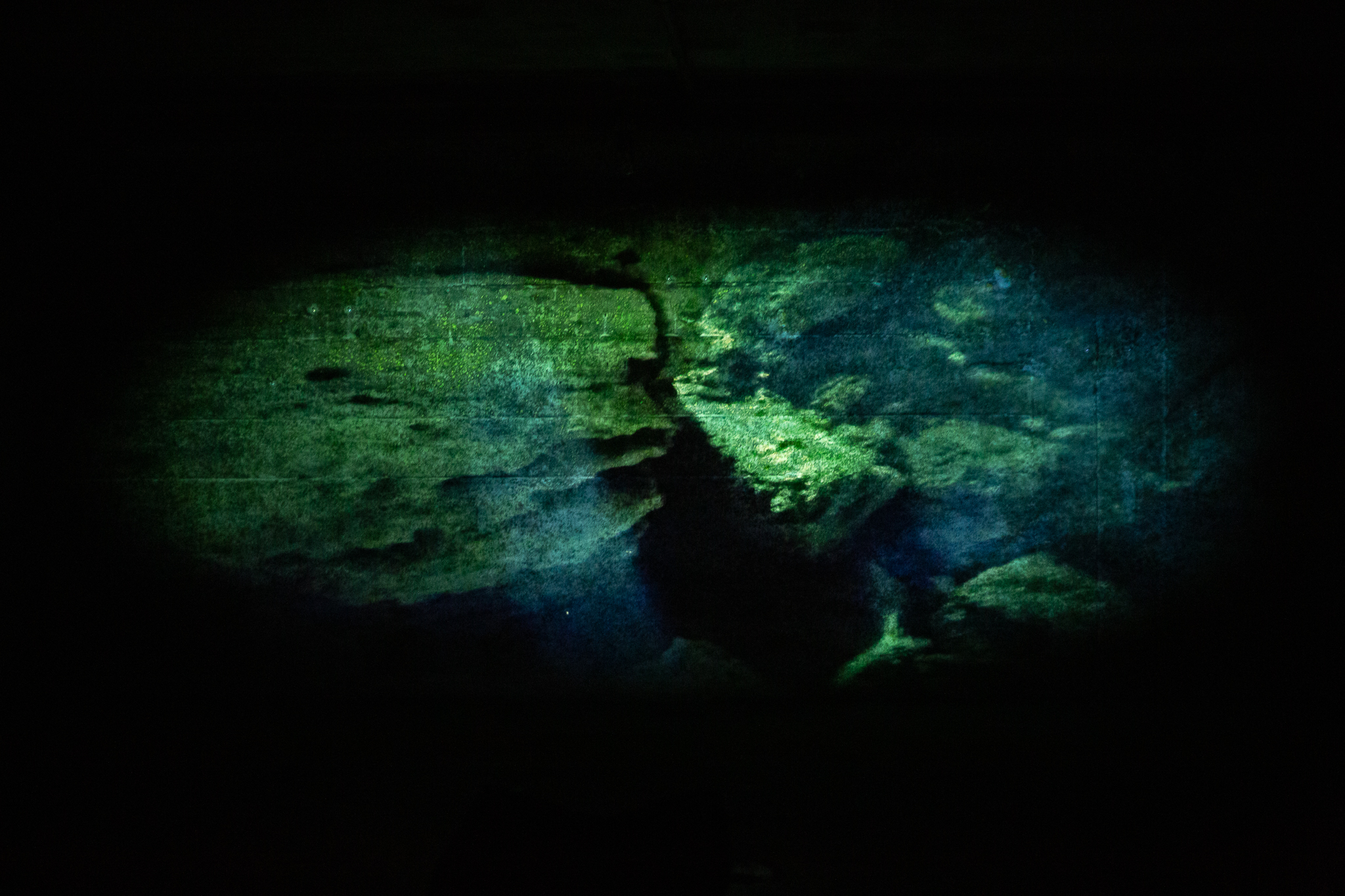
For example, when I was in Oaxaca, Mexico, I became very interested in plant life. I measured electrical signals from plants and created live compositions based on that data—responding to the signals they were emitting. It was a way of making visible the idea that everything is in dialogue, communicating in different ways.
Over time, I grew into the art world gradually, through exhibitions and encounters with others who shared similar interests. At first, I thought my interests were quite solitary, but I realized there were many people engaging with similar questions. That allowed me to connect more openly with others through my work.
IR
Thank you. To move towards the present—how has your experience of engaging with different cultures, particularly in Mexico, influenced your work? What are you currently exploring?
KN
I wouldn’t limit it specifically to Mexico, although my experience here has been very important. Growing up across different cultural contexts helped me develop a careful and curious way of observing my surroundings.
What interests me most is how environments communicate—especially through sound. For example, here, everyday activities are often expressed through distinct sound signals. Street vendors, or garbage collection services, use recognizable sounds to communicate their presence. It creates a very different soundscape compared to Switzerland.
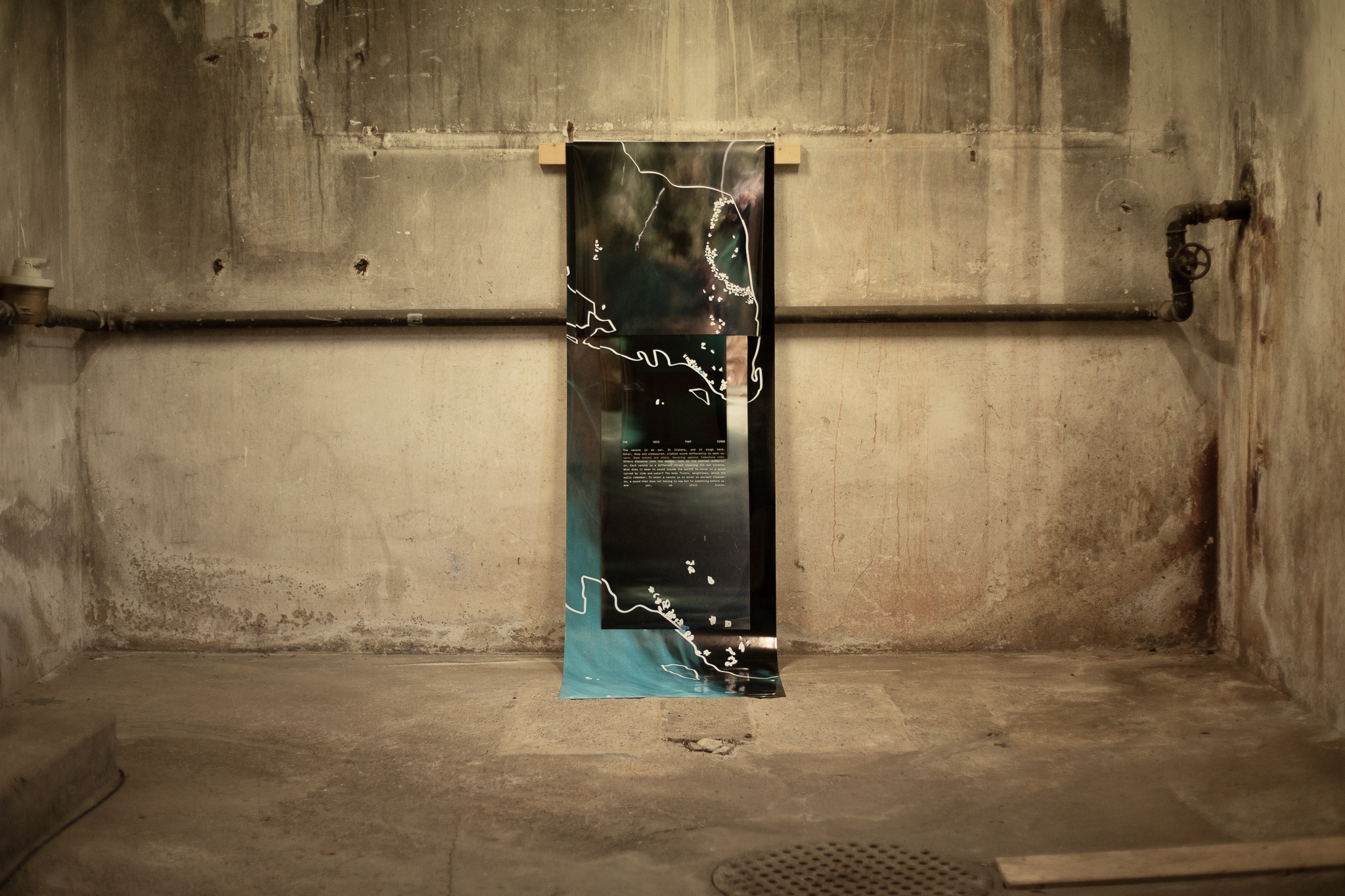
What fascinates me is not only the sound itself, but where and how it resonates, how it reflects within the architecture and the environment. These acoustic relationships are deeply connected to space and context.
At the same time, my work is also very personal. Right now, one of the most significant experiences I’m processing is my pregnancy and the transition into motherhood. It’s a new kind of “culture” I’m entering, both personally and artistically.
Previously, I worked a lot with themes of subconsciousness and grief, especially after losing my mother. I explored how emotional layers manifest and how they connect to symbolic systems. This personal engagement continues to shape my work.
IR
Thank you so much, Katherine. It’s been a pleasure talking with you. I really appreciate your openness and everything you’ve shared.-
Leave a Reply